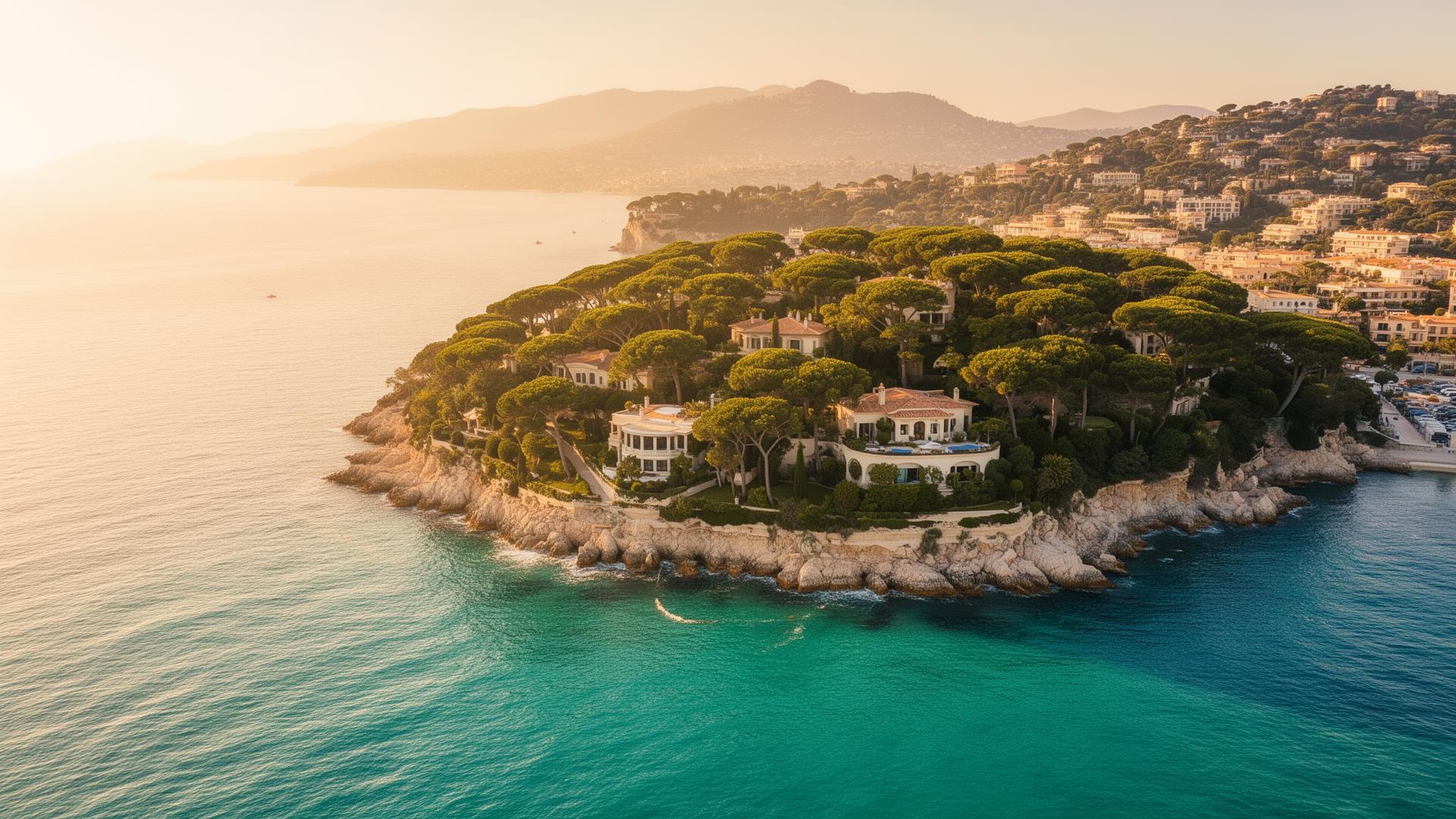
The Côte d'Azur in 2025: a market of scarcity, a way of life
Why thoughtful investors keep placing the Riviera at the top of their European wealth strategy.
The French Riviera prime property market enters 2025 in a rare position: less liquid than London, more discreet than Monaco, more durable than many emerging enclaves — and profoundly constrained by geography.
Structural scarcity
Between the sea and the Pre-Alps, the habitable coastal strip is narrow. On Saint-Jean-Cap-Ferrat, Cap d'Antibes or Cap Martin, the number of true waterfront estates is counted in dozens, not hundreds. Every mandate is, by construction, an event. Average per-square-metre prices on ultra-prime transactions have risen roughly 6 to 9% year-on-year on the most sought-after micro-locations, despite the broader European rate environment.
Ten minutes from Monaco, three hours from half the world
Nice airport has quietly become one of Europe's most active business-aviation hubs, with daily direct service to London, Geneva, Zurich, Frankfurt, Dubai, Doha, Riyadh and New York. Add the immediate proximity of Monaco — under fifteen minutes by helicopter from Cap-Ferrat — and the coast anchors an entire ecosystem of family offices, asset managers and foundations.
A widening buyer base
Traditional buyers — Northern Europeans, British, Swiss — are now joined by clients from the Gulf, South-East Asia and North America. All of them want the same thing: a long-term residence, in a predictable fiscal regime, in a politically stable and culturally deep geography.
To build, not only to buy
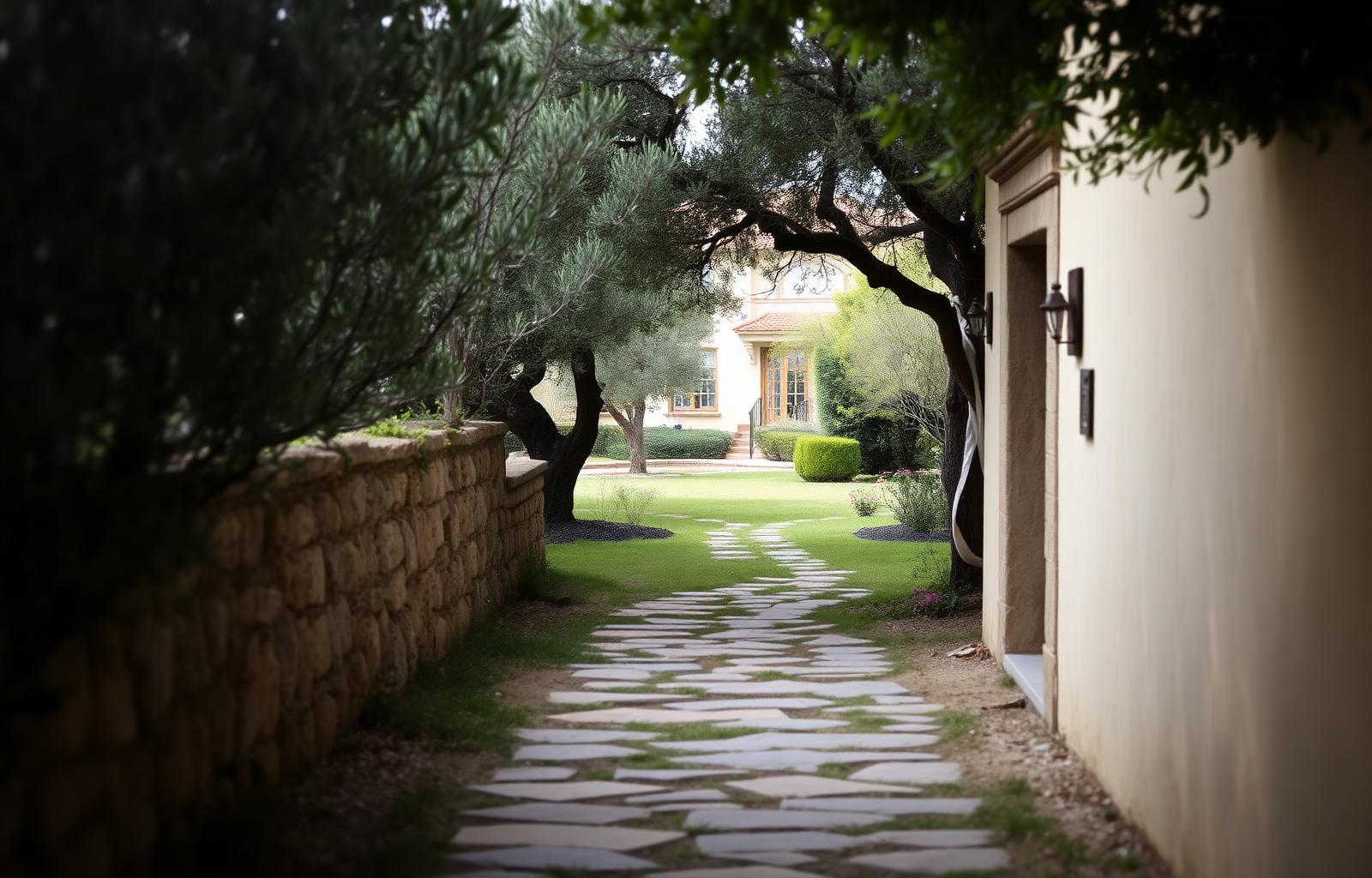
What sets the Riviera apart is that one does not merely acquire an asset here — one builds a project. Restoring a 1920s villa, redesigning a park, reorienting a façade, slipping contemporary architecture behind a listed shell: every one of these moves compounds long-term value, and gives owners an emotional relationship to their capital no financial product can replicate.
Our read
For 2025 we see a two-speed market: a trophy segment above €20M that should remain supported by global demand structurally above supply, and a €5–15M segment where curation becomes decisive — location, view, build rights, the quality of outbuildings. It is on exactly these dossiers that our off-market practice is most useful.